Best Evolution Picks in Evolve & Survive
Durable, damage, or mobile — which path actually keeps you alive past Hour 1.
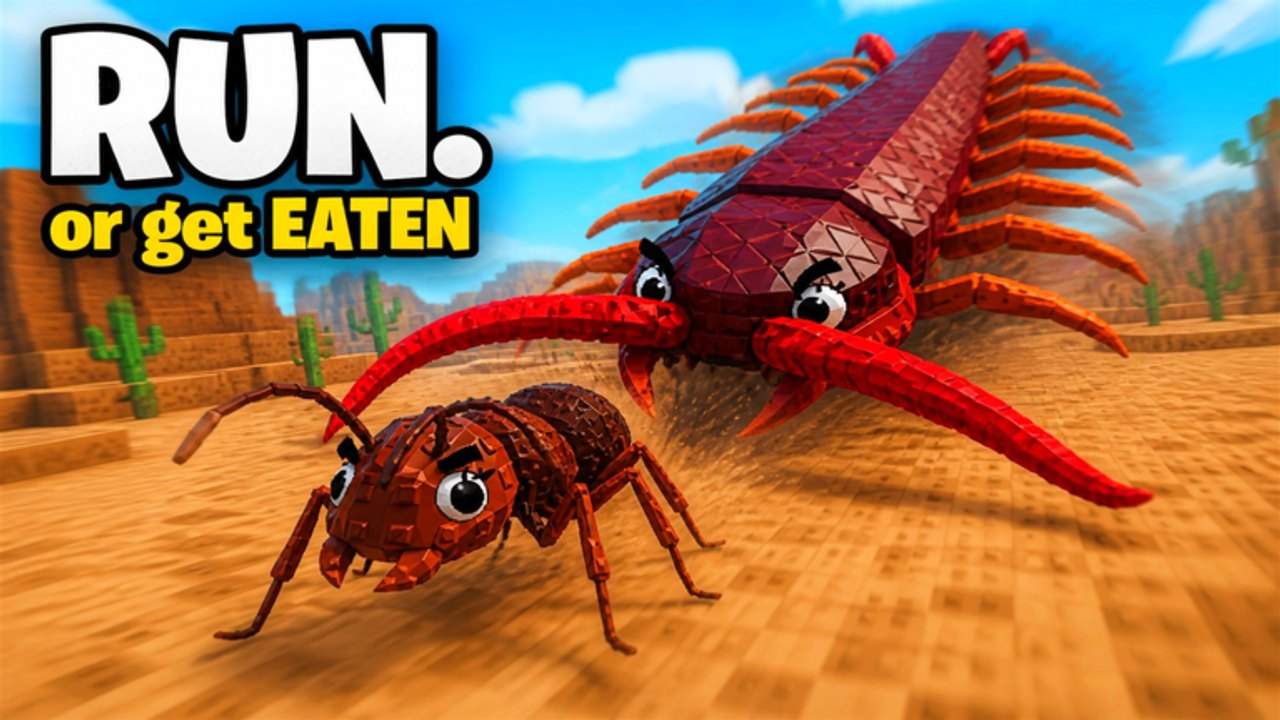
The best evolution in Evolve & Survive is usually the one that solves your immediate problem. A high-damage form may clear weak enemies quickly, but a durable or mobile form can produce better results when encounters become longer or more dangerous. This page ranks evolution choices by role so you can match your playstyle instead of blindly chasing S-tier.
Use step-by-step survival if you want a repeatable route. Use this page if you want to understand which roles are worth investing Revives.
Evolution priorities
Before ranking forms, answer four questions:
- Can this evolution survive the next area?
- Does it improve the way you already play?
- Will its strengths remain useful after the next upgrade?
- Does it reduce the time or risk involved in farming?
A strong evolution route should offer more than a higher attack number. Look for improvements that increase uptime, reduce downtime, strengthen movement, or make mistakes less costly.
| Priority | What to check | Why it matters |
|---|---|---|
| Survivability | Health, defense, recovery | Keeps failed dodges and difficult encounters manageable |
| Damage | Attack power, attack speed | Improves clear speed when enemies are safely within reach |
| Mobility | Movement speed, escape tools | Helps avoid threats and reach targets efficiently |
| Efficiency | Farming speed, stamina, cooldowns | Supports longer runs with fewer interruptions |
| Future value | Strength of the next evolution | Prevents investing in a path that loses momentum quickly |
Evolution roles and practical rankings
| Rank | Evolution role | Best use case | Main drawback |
|---|---|---|---|
| S | Balanced all-rounder | First clear attempts and mixed encounters | May not specialize in one task |
| A | Durable bruiser | Difficult areas and mistake-heavy runs | Slower clear speed in easy zones |
| A | High-damage attacker | Experienced farming and fast clears | Punishes poor positioning |
| B | Mobility specialist | Avoiding threats and rotating between targets | May require stronger execution |
| B | Niche utility form | Specific routes or unusual strategies | Less reliable outside its ideal situation |
S-tier: Balanced all-rounders
Balanced evolutions are the most dependable recommendation for a first serious progression route. They do not require perfect play and remain useful across farming, exploration, and combat. Choose this role when you are unsure which direction to take or when you want one form to handle several activities.
A balanced route is especially valuable when:
- You are still learning enemy attack ranges.
- Your current gear or upgrades are not specialized.
- You frequently switch between farming and exploration.
- You want consistent results rather than peak speed.
A-tier: Durable bruisers
Durable evolutions are excellent when survival is the main barrier to progress. Their value increases in encounters where enemies deal heavy damage, where fights last longer, or where recovering from mistakes is difficult.
A bruiser route can also improve farming consistency. Even if each encounter takes slightly longer, fewer failed runs may produce more progress over time.
A-tier: High-damage attackers
Damage-focused evolutions are strong when you can control distance, recognize attack patterns, and avoid unnecessary hits. They are often attractive for experienced players because faster clears can improve the number of encounters completed during a farming session.
However, damage should be paired with a survivability plan. If an offensive form forces frequent retreats, consumes too many resources, or fails after one mistake, its theoretical clear speed may not translate into better results.
Build pairings for different playstyles
Evolution choice should work together with your overall build. A strong form can feel weak when paired with upgrades that contradict its purpose.
| Playstyle | Preferred evolution role | Supporting priorities | When to reconsider |
|---|---|---|---|
| Beginner | Balanced or durable | Recovery, simple execution, safe positioning | Once routine encounters feel effortless |
| Farming | Damage or balanced | Attack uptime, movement, efficient routing | When failed runs reduce total gains |
| Exploration | Balanced or mobile | Escape options, range, flexible utility | When enemies begin overwhelming you |
| Endurance | Durable or balanced | Sustain, defense, steady damage | When fights take too long to finish |
| Challenge | Specialized attacker or utility | Precise timing, optimized support | When the route becomes inconsistent |
Common pairing mistakes
- Pair fragile damage with mobility, range, or recovery.
- Pair slow defense with sustained damage or better target access.
- Pair a mobile route with enough damage to benefit from repositioning.
- Pair a balanced form with the upgrades that solve your current bottleneck.
Progression checklist
Use this checklist before investing heavily in an evolution route:
- Identify whether damage, survival, mobility, or efficiency is currently limiting progress
- Compare the first upgrade with the full route instead of judging one stage alone
- Test the evolution in familiar content before taking it into a harder area
- Record clear speed, damage taken, resource use, and failed attempts
- Reassess the route after unlocking major upgrades or reaching a new zone
After you pick a role
- Step-by-step survival for the practical route to execute that role
- How to evolve for the specific animal sequence
- Tier list for letter ranks inside each role
- Revive planner if you need to protect the body you just earned
Frequently Asked Questions
Quick answers players search before they jump back into a server.
What is the best evolution in Evolve & Survive for most players?
A balanced all-rounder is usually the safest general recommendation because it combines dependable damage, survivability, and flexibility.
Should I always choose the evolution with the highest damage?
No. High damage is valuable when you can maintain safe attack uptime, but a fragile form may perform worse if it causes failed runs or frequent recovery.
When is a defensive evolution better than an offensive one?
Defense is usually better when enemies can defeat you quickly, encounters last several exchanges, or mistakes are common.
How do I pair evolution with my playstyle?
Beginners should choose balanced or durable. Farmers should prioritize damage or balanced with attack uptime. See the playstyle table above.